ASO Checklist for App Store: A Complete Guide
App Store Optimization (ASO) is the process of improving your app’s visibility in the App Store and Play Store, making […]
Published Mar 20, 2026
21 min
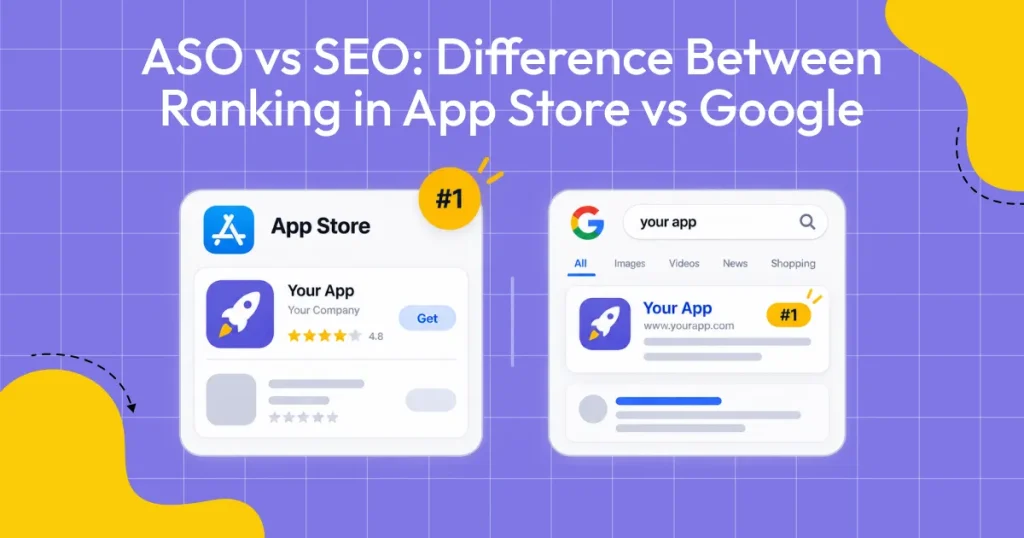
The ASO vs SEO debate comes down to differences in target platform and goals. App Store Optimization (ASO) focuses on increasing app downloads and visibility within app stores by optimizing visuals and improving conversion rates. Search Engine Optimization (SEO) aims to drive traffic from search engines like Google through quality content, backlinks, and page performance.
ASO and SEO also differ in ranking factors, where metadata, ratings, and visuals directly impact installs and rankings.
Since visuals play a key role, the AppLaunchpad app screenshot generator helps improve conversion by making it easier to create app store-ready screenshots. It offers a wide selection of pre-built templates, including 3D, 2D, and handheld devices, with correct dimensions, safe areas, and layouts designed to drive installs.
To better understand the two, we will walk through a practical ASO checklist covering how ASO and SEO work, their ranking factors, keywords, performance metrics, implementation, and strategies.
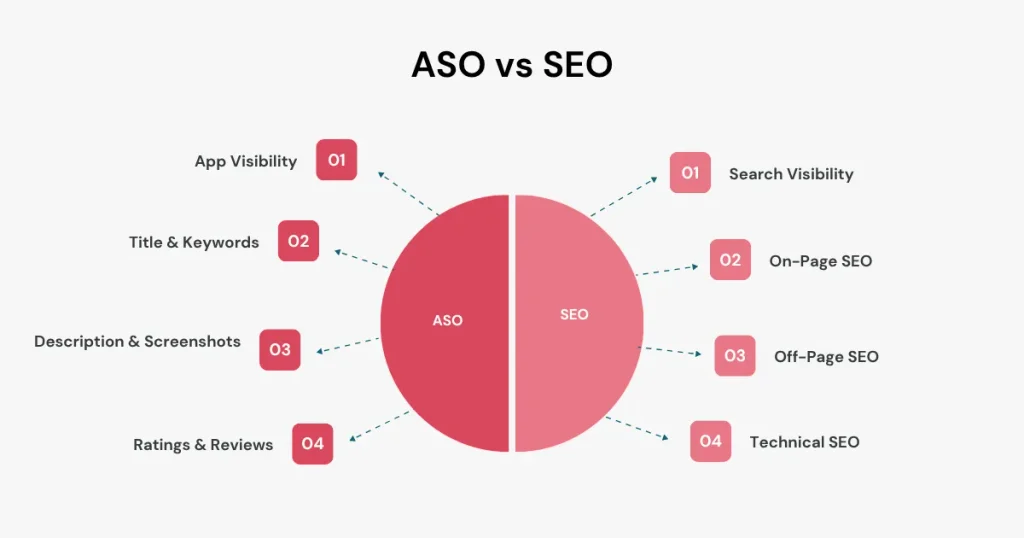
Both ASO and SEO are designed to help people discover your app through search results. The difference is where that search result happens.
In simple terms, ASO vs SEO focuses on different discovery channels but shares the same goal of visibility.
App Store Optimization, or ASO, is the process of improving your app’s visibility inside the Apple App Store and Google Play. The goal is simple here. First, help users discover your app. Then convince those users to install your app.
To do this, developers optimize several parts of the app listing:
Search Engine Optimization, or SEO, is the process of improving your website’s visibility on search engines like Google, Yahoo, Bing, etc., so people can find your app through organic search results.
The goal here is to attract organic traffic, build trust around your app, and eventually turn those web browsers into users.
Google evaluates websites based on three main areas:
At first glance, ASO and SEO seem very similar, you may even think ASO is SEO for apps. But the systems behind them are very different. ASO helps users find your app inside the app store, while SEO helps people discover your app through search engines.
When you analyze ASO vs SEO deeply, App Store ranking factors, such as downloads, retention, and reviews, play a much stronger role than in SEO.
ASO vs SEO: Key differences highlighted
| Element | ASO | SEO |
| Platform | Apple App Store & Google Play | Search engines |
| Primary Goal | Increase app installs | Increase website traffic |
| Core Ranking Signal | Keywords, installs, ratings | Content quality, backlinks, search intent |
| Content Scope | Limited metadata fields | Unlimited long-form content |
| Authority Signal | Install rate and user retention | Backlinks and domain authority |
| Conversion Focus | Screenshots and preview videos | Title tags and meta descriptions |
| Speed of Results | Weeks | Months |
| Competitive Landscape | Millions of apps | Billions of indexed web pages |
| Paid Influence | Paid installs can indirectly influence ranking | Paid ads do not affect organic ranking |
| Measurement Tools | AppTweak, Sensor Tower | Google Search Console, Ahrefs |
| User Intent | Mostly install-focused | Mixed search intent |
| Localization Impact | Strong impact by region | Location targeting based on search signals |
ASO and SEO are not the same thing. To understand the differences clearly, we need to look at where they operate and how users behave on each platform.
A practical way to approach this is by following an app store optimization checklist for ASO while building content and authority for SEO.
ASO Target Platforms
App Store Optimization works inside app stores like the Apple App Store and Google Play Store. These app stores are closed ecosystems. Each store has its own algorithm that decides which apps appear in search results.
Your app can appear in several places inside the app store, a few major ones are:
Unlike Google, App stores have limited ranking slots. You are competing for a small number of visible spots.
App stores are action-driven, where users quickly scan search results, and they primarily focus on the app icon, screenshots, and ratings.
If these elements look convincing, users are more likely to install the app.
SEO Target Platforms
SEO works on search engines like Google. Unlike the App Store and Google Play Store, Google indexes billions of web pages, which means you will have multiple chances to rank and bring new organic users every day.
You can publish your content in many ways, such as:
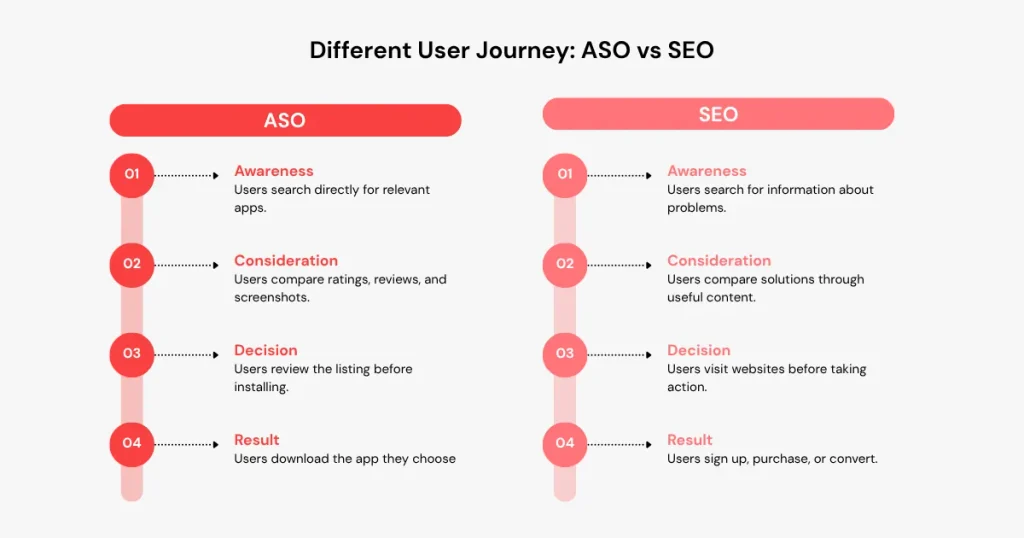
Another major difference between ASO and SEO is the type of search intent. When someone types a search query in the App Store, they usually already know what they want. Their goal is to find an app and install it.
For example:
Someone searching for a language-learning app already knows what they want, and as soon as they find the right app, they will download it. The search intent and install intention are clear and direct on app stores.
SEO search intent is much more gradual, though. People usually begin by researching a problem before deciding which solution to choose.
For example:
Someone might start by searching for how to learn social networking skills. Later, they may search for the best social networking apps and eventually download one.
SEO allows you to reach users earlier in this journey and guide them toward your app.
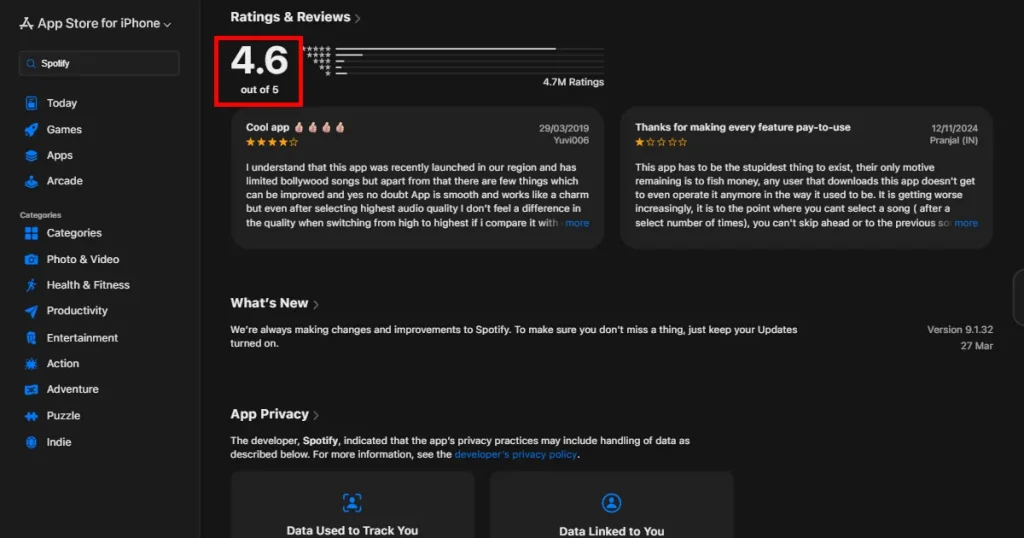
App store rankings start with keyword relevance. Your primary keyword usually carries the most weight when it is mentioned in the app title, subtitle, and description.
Beyond keywords, ASO vs SEO differs because App Store ranking factors also include user actions like installs, retention, and reviews.
SEO rankings depend mostly on trust and the quality of your content. Google wants to show pages that provide the best answers to users’ search queries.
In ASO vs SEO, SEO relies more on content quality and backlinks rather than direct user actions.
Here are some of the signals Google considers:
App stores rank apps differently across regions, so performance should be monitored by country.
Some important ASO metrics include:
SEO is all about how well your website shows up in search engines. Here are some important SEO metrics to watch:
These metrics show how well your website performs in search results.
After exploring how ASO and SEO differ in ranking and discovery, let’s focus on what you can actually control. In both strategies, metadata and keywords play a big role in helping search systems understand what your app or page is about.
Strong ASO strategies focus on using keywords naturally in limited fields, which is a key difference between ASO vs SEO.
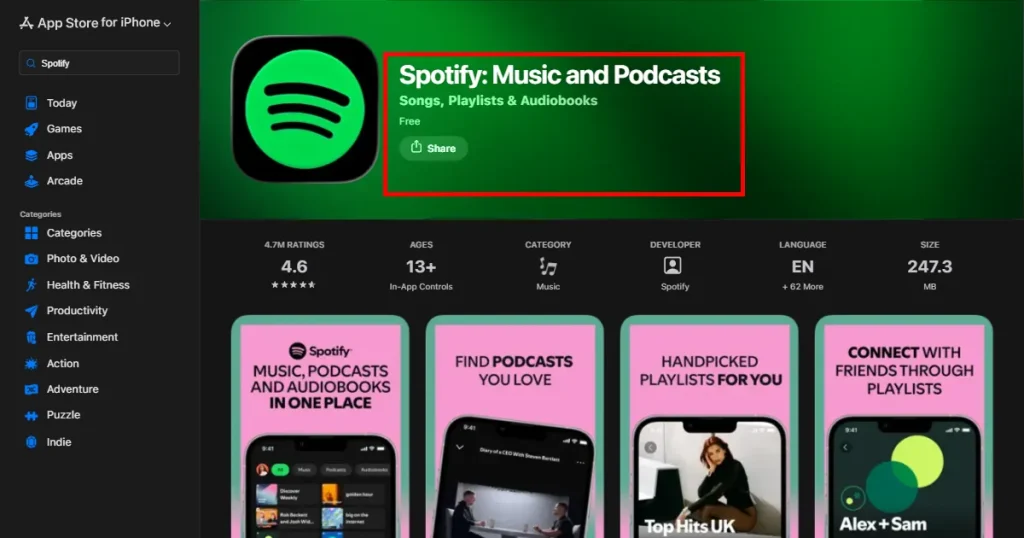
Apple gives the app title the strongest keyword weight in the listing, so your main keyword should usually appear here.
At the same time, the title must still read naturally. If it looks spammy or misleading, users may hesitate to install the app. In addition to the app title, optimize your app subtitle and description using your primary and secondary keywords.
Apple also provides a hidden keyword field in iOS. Developers can use this space to add extra keywords that help the algorithm understand the app. The keyword field also needs careful planning. Since space is limited, repeating words can waste valuable room. Separate keywords with commas and omit filler words like the or to save space.
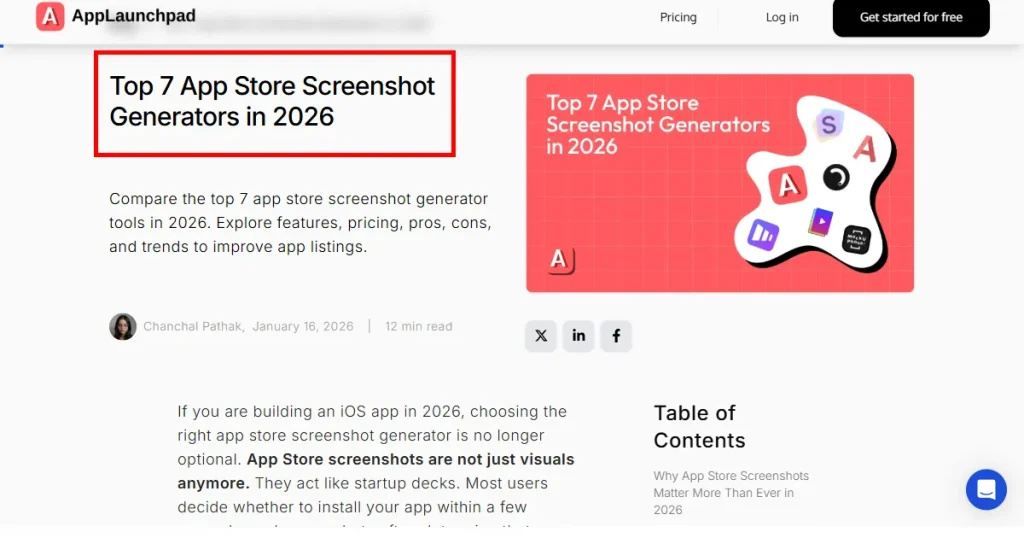
Keywords work a bit differently in SEO. Search engines rely on keywords to understand what a page is about and when it should appear in search results.
Because of this, your main keyword should usually appear in key places such as:
This helps search engines quickly understand what the page is about.
Next, you should use supporting keywords naturally throughout the content. These supporting keywords help search engines understand the broader context of the page.
It is also important to choose keywords strategically. Highly competitive keywords can be difficult to rank for, especially for newer websites. If your app or website is relatively new, try targeting high-intent, low-competition keywords.
Authority matters in both ASO and SEO, but it works differently in each. For SEO, authority mostly comes from external signals, especially backlinks. When trusted websites link to your content, search engines interpret this as a sign that your page is reliable and useful.
ASO authority is completely different. Instead of backlinks, app stores evaluate user behavior, such as:
If users frequently install and keep using your app, the algorithm will assume your app is valuable.
SEO and ASO also differ in how they communicate value to users.
SEO relies heavily on written content. A clear structure, helpful explanations, and detailed answers help search engines understand your page and determine where it should rank. When an article provides strong value, it can stay visible in search results for months or even years.
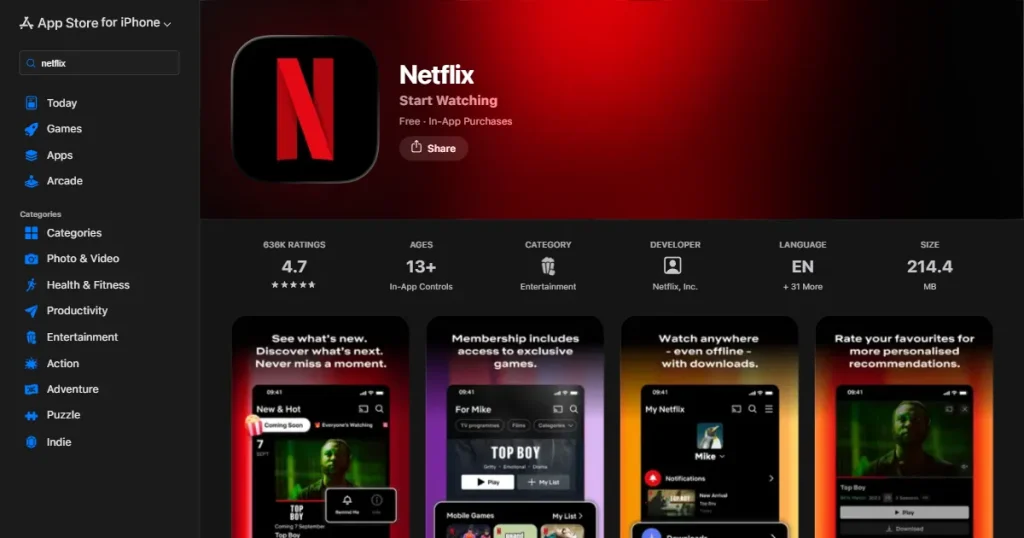
ASO, on the other hand, relies more on visuals. Users often decide within a few seconds whether an app is worth exploring. Your icon and app screenshots must clearly convey the app’s value.
If visuals are unclear or outdated, users may skip the listing and install another app instead.
Another key difference between ASO and SEO is how quickly you can see results.
ASO changes can sometimes show results within days. Updating keywords, improving screenshots, or increasing downloads can quickly influence rankings. SEO usually takes more time. New content may take several months to gain visibility in search results. However, once a page ranks well, it can continue bringing steady traffic over time.
Both ASO and SEO involve certain risks, but they appear in different ways. ASO risks usually come from user behavior. A buggy update or a wave of negative reviews can easily lower an app’s ranking.
However, SEO risks usually develop more gradually. Algorithm updates, poor-quality backlinks, broken links, longer page load times, faulty images, or duplicate content can slowly reduce a website’s search visibility if they are not addressed promptly.
Now that the differences are clear, the next step is understanding how both strategies can work together.
Keywords sit at the center of both ASO and SEO. But the way they are researched and used is slightly different.
Tools like Ahrefs or SEMrush can show how competitive a keyword is and how difficult it may be to rank for it. This helps you decide which topics are realistic to target.
Instead of focusing only on broad keywords, it is often better to target long-tail keywords, since they are usually easier to rank for.
When implementing keywords on a page:
Keyword research in app stores differs from that in search engines.
Instead of traditional search engines, you are trying to understand how people search for apps inside the app stores. ASO Tools like AppTweak or Sensor Tower help identify which keywords are popular and which ones are already driving installs in your app category.
When selecting keywords for your app, focus on three things: how closely the keyword matches your app’s features, how competitive it is, and whether it clearly shows some install intent.
When updating your app listing:
In practice, ASO vs SEO works best when used together, with ASO driving installs and SEO bringing discovery earlier in the journey.
Both ASO and SEO rely on visuals, but they serve slightly different purposes.
On websites, images and videos mainly support the written content and improve the overall reading experience.
However, large image files can slow down your site. Compressing them helps keep your pages fast, improving both the user experience and search performance. Adding descriptive alt text is also important because it helps search engines understand what the image represents.
Videos can help even more. Placing demo videos on important landing pages often keeps visitors engaged longer and increases user interaction with the page.
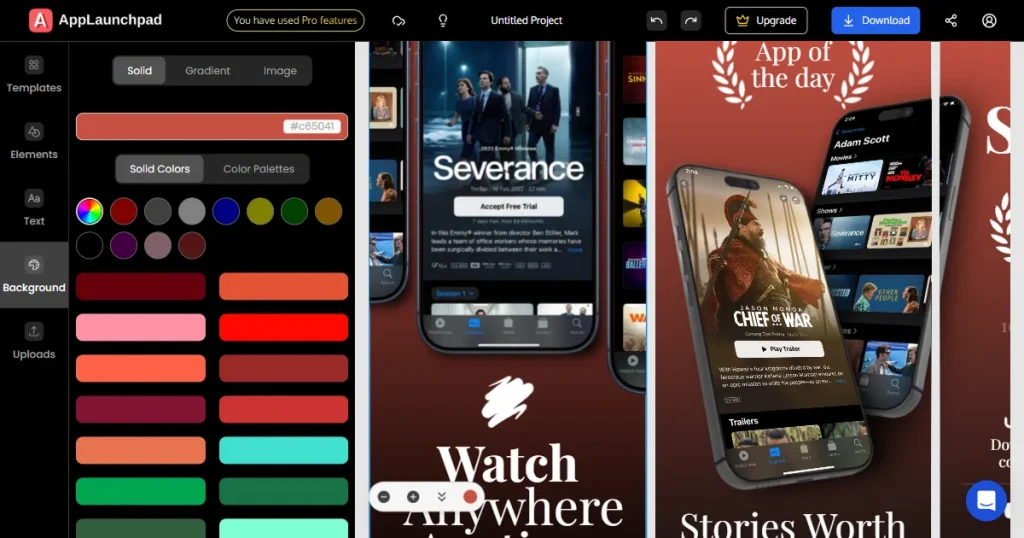
Inside the app store, visuals do much more than support content. They often decide whether someone installs your app.
Your first two screenshots are especially important because they are usually the first things users notice when they open your app listing. These screenshots should clearly convey the app’s main benefit.
Large, readable text also helps users quickly understand the app, especially on small mobile screens.
Lastly, you can A/B test different screenshot sets through tools like Google Play Store experiments to see which set actually improves install rates.
For SEO, authority grows through web signals. One of the strongest signals is backlinks. When trusted websites link to your content, search engines see this as a sign that your page is useful and reliable.
Over time, these backlinks help your website build credibility. A website with strong backlinks becomes harder for competitors to outrank because search engines already trust it.
Internal linking also contributes to authority. When you connect top-ranking pages with newer articles, you help distribute that authority, making it easier for the newer content to rank.
App stores measure authority differently. Instead of focusing on backlinks, they focus on how users interact with your app in the store. Downloads, ratings, reviews, and user engagement all contribute to how strong your app appears.
Encouraging users to leave reviews after positive in-app experiences can help maintain strong ratings. At the same time, responding to negative reviews shows that the development team is active and willing to improve the product.
Keep your XML(Extensible Markup Language) sitemap clean and fix broken links so Google can crawl your site without issues. Improve page speed as much as possible. Aim to load your main content in under 3 seconds for a smooth experience. Use structured data where relevant and make sure your site works perfectly on mobile devices, since Google indexes mobile versions first.
Note: In SEO, XML is what powers your sitemap, helping Google find, crawl, and index all the important pages on your website more efficiently.
Technical decisions also affect how your app performs inside the app store.
Choosing the correct primary and secondary categories helps the store understand where your app belongs. If the category is inaccurate, it may limit your visibility.
Keeping the app size optimized is also important because very large apps can discourage downloads, especially for users on limited mobile data.
Understanding the difference between ASO and SEO is important, but applying the right practices is what actually drives real app growth.
These ASO tools help you research keywords, monitor performance, and optimize both your app listing and your website.
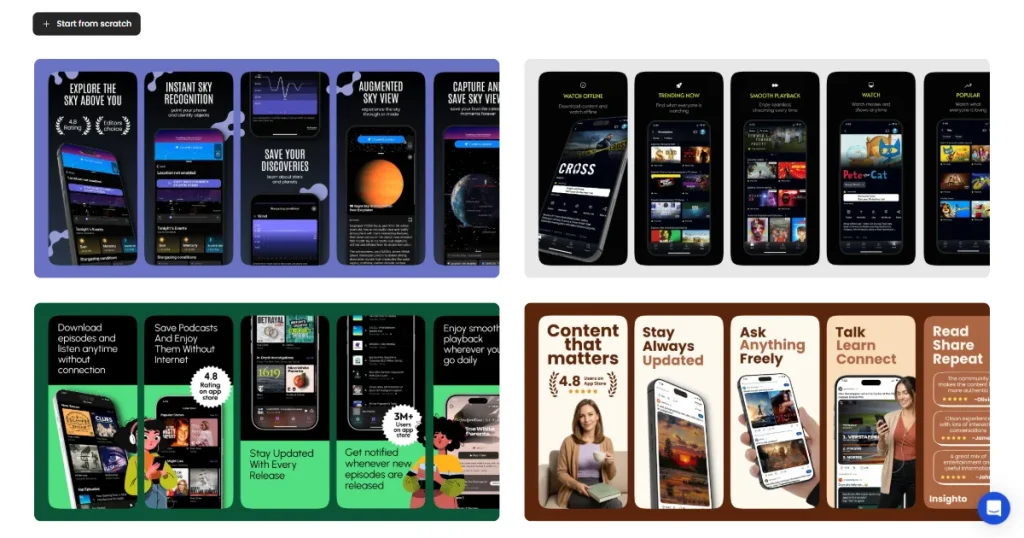
AppLaunchpad: AppLaunchpad is one of the best screenshot generators designed for App Store and Google Play Store listings, helping developers create professional app store screenshots quickly.
How to use it: Use it to design store-compliant screenshots with proper text hierarchy and add brand visuals such as logos and custom graphics. You can also localize screenshots into multiple languages using its one-click AI-powered localization feature.
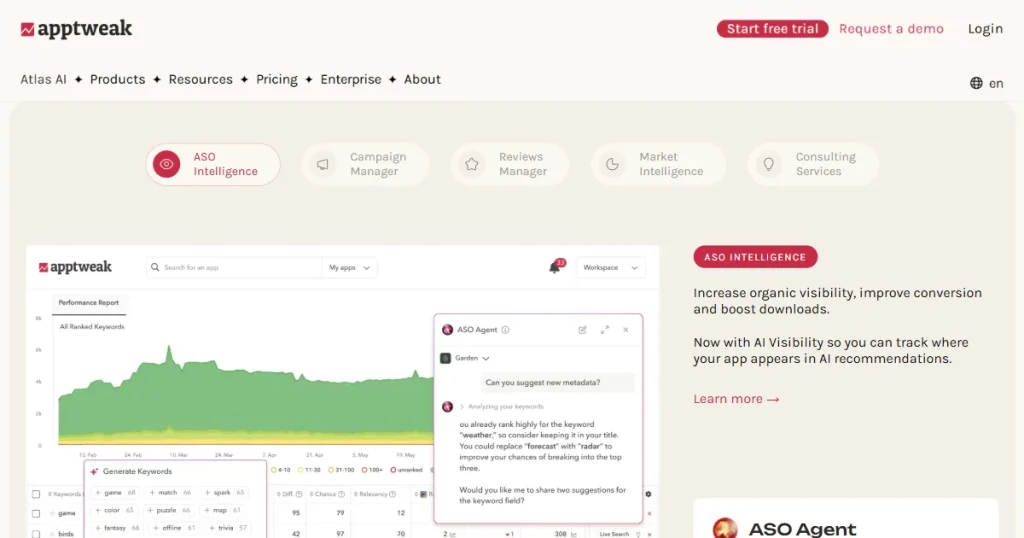
AppTweak: AppTweak is a keyword intelligence platform that helps you understand what keywords users use inside the app stores and how to rank for them.
How to use it: Use it to analyze keyword search volume, track your app’s ranking performance, and identify which keywords competitors are targeting.
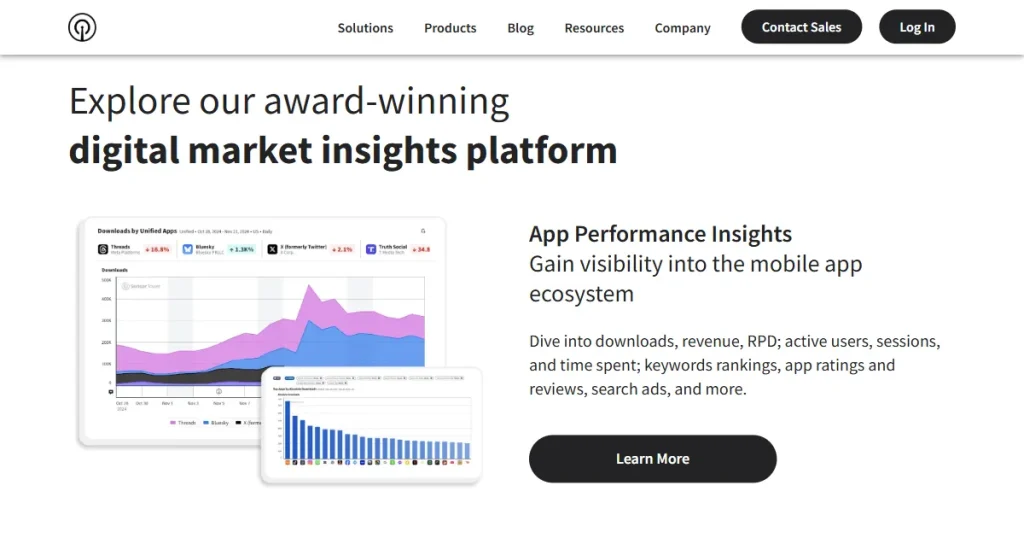
Sensor Tower: Sensor Tower provides deep market insights, helping you understand app category trends and the overall performance of apps in your niche.
How to use it: Use it to monitor what’s trending in your app’s category, estimate competitor downloads, and analyze revenue trends across the app ecosystem.
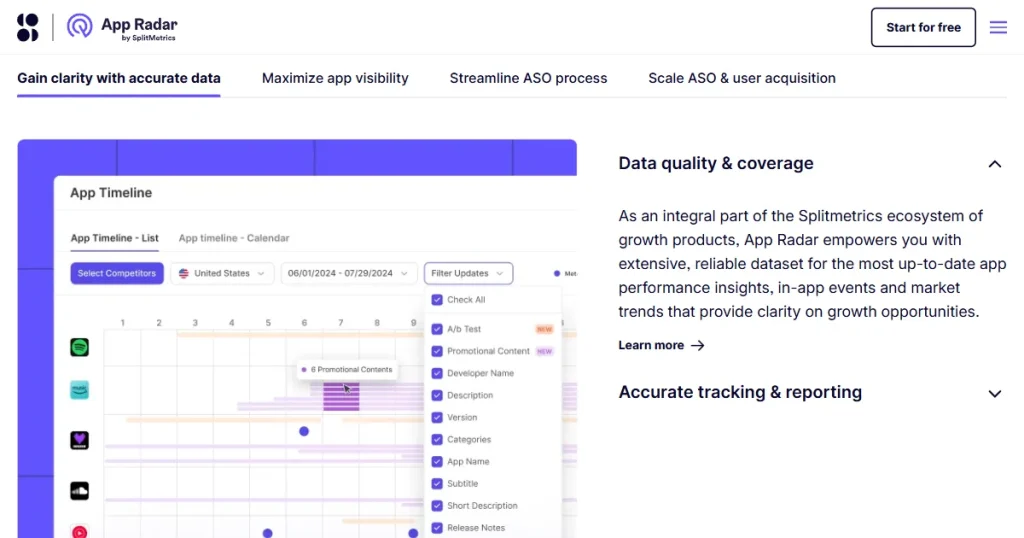
App Radar: App Radar by Splitmetrics is a platform that helps manage ASO workflows, making it easier to track app performance and update your app metadata.
How to use it: Use it to monitor keyword rankings across different countries and manage your app listing for both the Apple App Store and Google Play from a single dashboard.
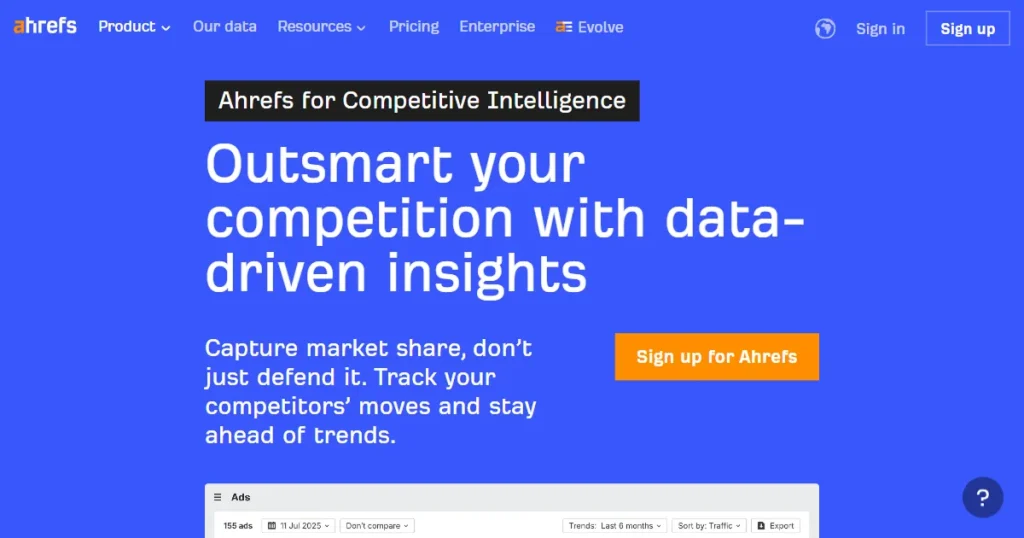
Ahrefs: Ahrefs is widely used for backlink analysis, keyword research, and competitor insights.
How to use it: Use it to analyze competitors top-performing pages, discover what websites they are getting backlinks from, and find opportunities to earn similar backlinks.
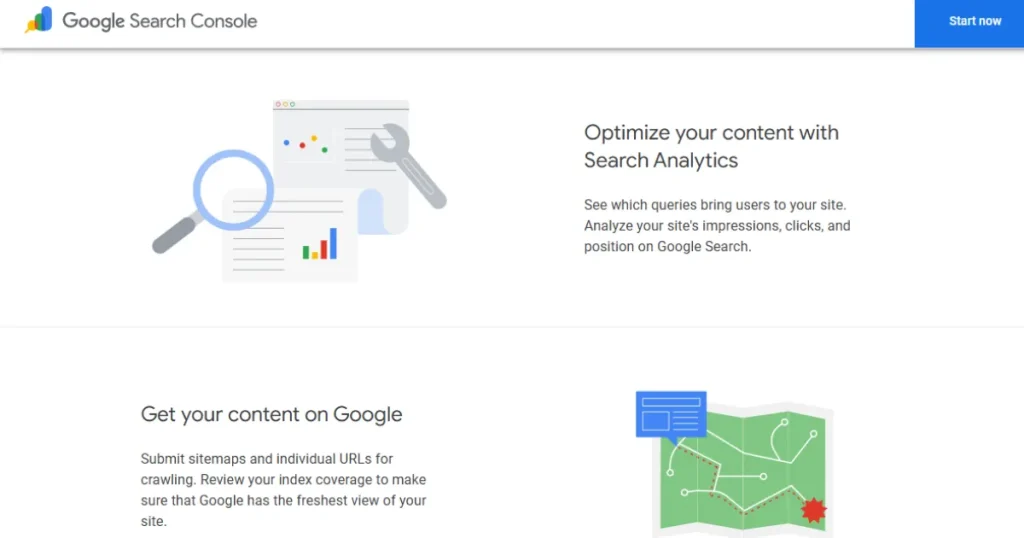
Google Search Console: Google Search Console is a free tool that helps you monitor how your website performs in Google Search.
How to use it: Use it to track keyword rankings, identify pages that are already ranking higher, and improve click-through rates by adjusting page titles and descriptions.
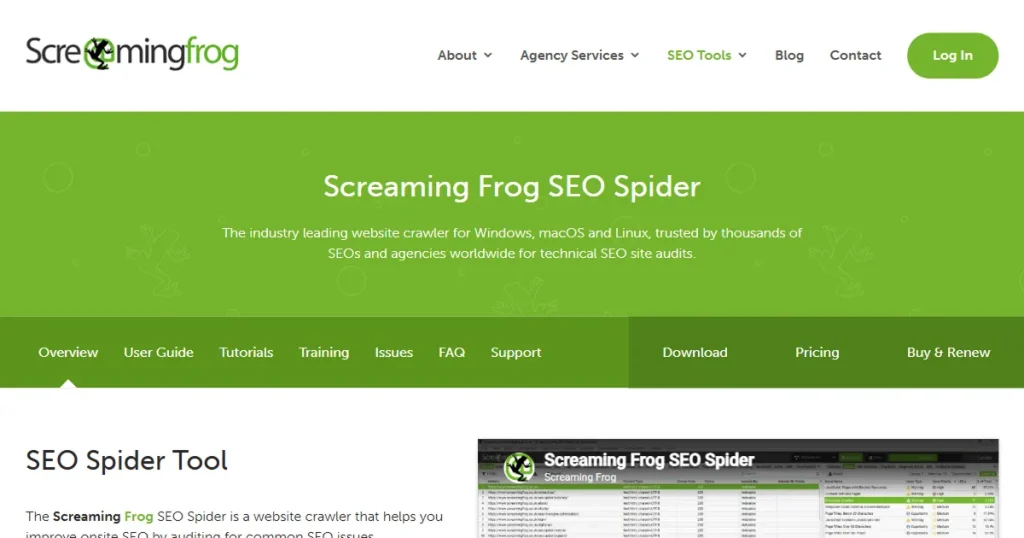
Screaming Frog: Screaming Frog is a website crawler that helps identify technical SEO issues across your site.
How to use it: Use it to scan your site for broken links, redirect chains, and large images that may be slowing down your website.
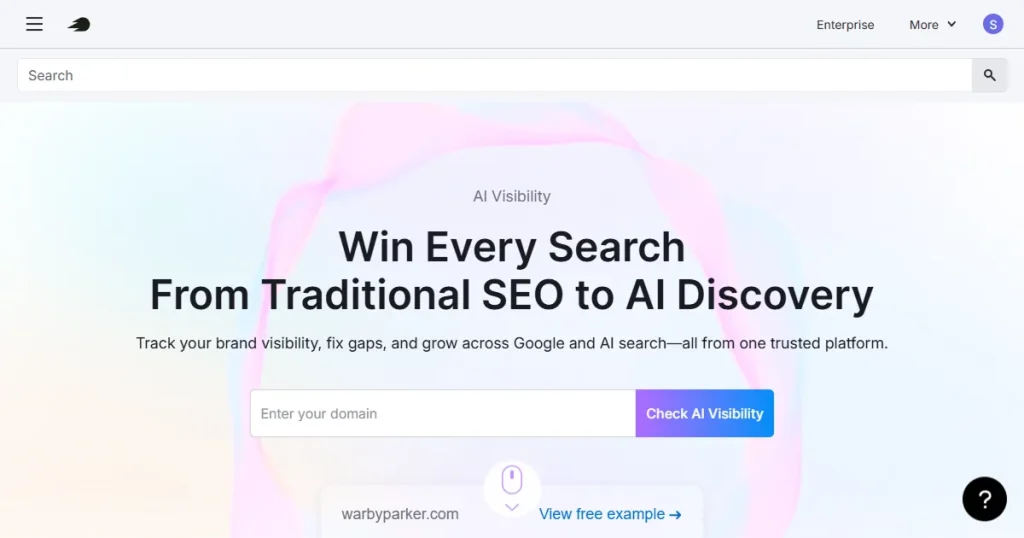
SEMrush: SEMrush is an all-in-one SEO platform used for keyword research, competitor analysis, and content planning.
How to use it: Use it to run keyword gap analysis and discover topics that your competitors rank for, but your website has not yet covered.
ASO and SEO are not competing strategies. They help your app get discovered at different stages of the user journey. ASO helps you turn app store searches into installs, while SEO brings your app in front of people while they are still researching a problem or looking for a solution.
For most apps, the strongest approach is to use both for a strong ASO sstrategy Optimize your app listing for relevant keywords, compelling visuals, ratings, and conversions, while building useful content that attracts organic traffic from Google. When these channels work together, you can reach users earlier, bring them to your app, and give them more reasons to install it.
ASO is extremely important because a large portion of app downloads comes from organic search results. SEO supports long-term growth by bringing users earlier in their search journey.
An app store optimization checklist is a list of key steps to improve your app’s visibility and installs, including optimizing the app title, keywords, description, screenshots, ratings, and reviews.
Effective ASO strategies include testing different keywords, experimenting with screenshot designs, and localizing your app listing for important regions based on real search behavior.
Make sure your content matches what users are searching for. Use your target keywords naturally in titles and headings, and add internal links to guide readers toward important pages such as your app landing page.
Provide clear, direct answers to common user questions, use structured data whenever possible, and build strong, topic-focused content so search engines can see your website as a reliable source.